

High-Protein Meal Prep in Austin: What to Look For in a Weekly Menu
If you want to eat more protein, the hardest part is often not knowing what to eat. It is having a good meal ready when your schedule gets busy.
Work runs late. Training takes longer than expected. Meetings move through lunch. Before you know it, a missed meal becomes takeout or whatever is easiest.
The right high protein meal prep plan removes that daily friction. But not every weekly menu is built the same way. A strong menu should give you meaningful protein, balanced portions, quality ingredients, and enough variety to make the plan easy to repeat.
Here is what to look for before you order.
Start With Protein Per Meal
A large daily protein number can look impressive. But the more useful question is simple:
How much protein does each meal provide?
For many active adults, a prepared main meal with roughly 30 to 40 grams of protein is a practical starting point. People with higher protein needs may prefer meals with 40 to 60 grams or more, depending on their overall routine and goals.
There is no single protein target that fits everyone. Your body size, activity level, training schedule, and personal goals all matter. Still, the meal-by-meal number gives you a clear way to compare menus.
A menu that lists “high protein” without showing grams is harder to evaluate. Look for specific information on each meal, such as:
- Protein grams per serving
- Serving size
- Calories and other nutrition details
- The main protein source
- Available portion options
At Optimize Meals, our Signature Packages include meals with 40+ grams of protein, while our Protein Plus Packages provide 60+ grams of protein. The current meal plans include 10-, 15-, and 20-meal options so you can choose the level that fits your week.
Why Protein Per Meal Matters More Than a Big Daily Total
A daily total is helpful. It gives you a sense of the bigger picture.
But it does not tell you whether your meals are easy to use throughout the day.
For example, a plan may advertise a high daily number while relying on one very large dinner to reach it. That may not match your schedule. You may need a dependable breakfast, lunch, or post-workout meal instead.
A better weekly menu helps you spread protein across the meals you actually eat. This makes your routine more predictable and gives you a practical base for the rest of your day.
Think about your schedule:
- Do you need a high-protein lunch at the office?
- Do you want dinner ready after your workout?
- Do you need several meals for busy weekdays?
- Do you prefer to prepare breakfast while your main meals are already handled?
The best high protein meal prep order is not necessarily the largest one. It is the one that covers the moments when you are most likely to skip cooking or choose something that does not support your goals.
Look for Complete Meals, Not Just Large Portions of Protein
Protein should be the anchor of the meal. It should not be the only part that receives attention.
A well-built meal also includes sides that support the protein. Depending on the recipe, that may mean rice, potatoes, beans, pasta, vegetables, or another thoughtfully portioned carbohydrate.
These sides add flavor, texture, and useful variety. They also help the meal feel complete rather than like a container of plain meat with a few vegetables added around it.
When reviewing an Austin meal prep menu, ask:
- Is the protein the clear focus of the plate?
- Do the sides add value, flavor, and texture?
- Are vegetables included in a meaningful portion?
- Do the carbohydrates fit the type of day you are planning?
- Does the meal look satisfying enough to eat regularly?
At Optimize Meals, our macro-balanced meals are built around high-quality protein, smart carbohydrates, and nutrient-dense ingredients. The goal is simple: a finished meal that supports your routine without feeling like a compromise.

Check the Protein Sources Across the Week
Variety matters when you are ordering several meals at once.
A menu built around only one protein can become repetitive quickly. Instead, look for a weekly rotation that includes different options, such as:
- Chicken breast or chicken thighs
- Beef or steak
- Turkey
- Salmon or shrimp
- Eggs, beans, or other complementary protein sources
Different proteins bring different flavors and textures to the week. They also make it easier to enjoy prepared meals several days in a row.
A rotating menu is especially useful for busy professionals, athletes, and personal training clients. You can keep your routine consistent without eating the same dish every day.
The Optimize Meals nutrition facts page provides detailed information for individual meals. Current examples include Jerk Chicken with 44 grams of protein, Chimichurri Grilled Steak with 43 grams, Teriyaki Glazed Salmon with 42 grams, and higher-protein versions with 60 grams or more.
Menus change, but clear nutrition information should remain easy to find.
Fresh Preparation Should Support the Reheat Experience
A weekly meal prep menu should be designed for real life. That means the meals need to taste good when you are ready to eat them, not only when they first leave the kitchen.
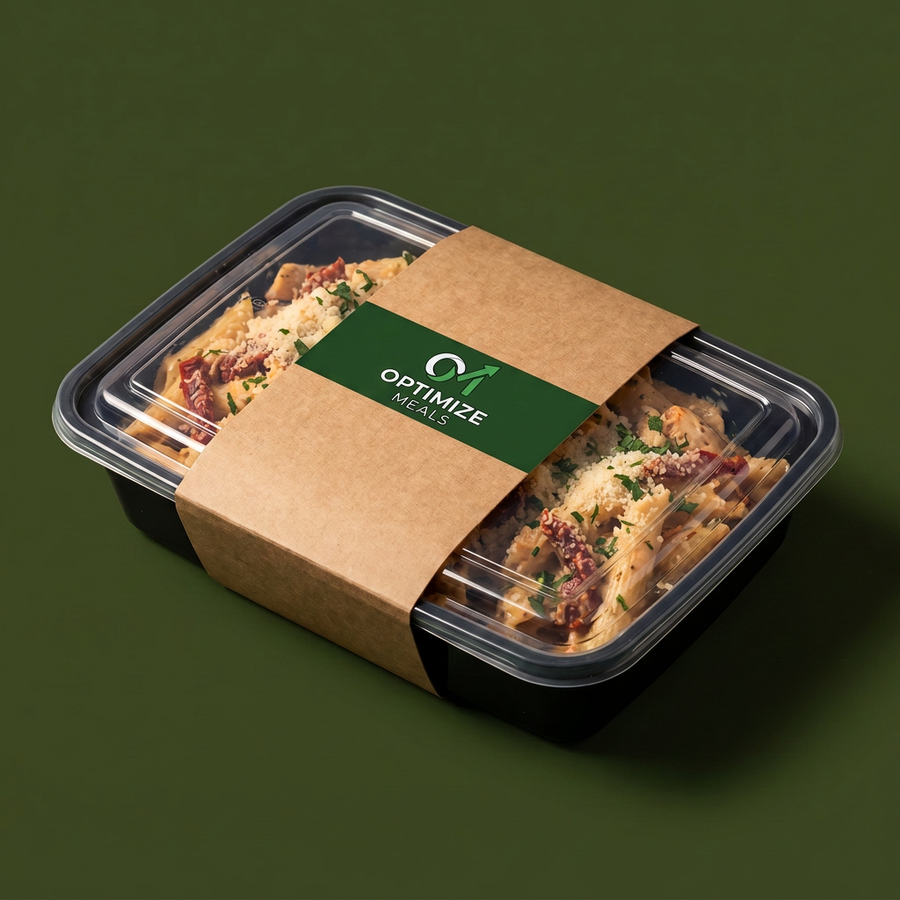
Optimize Meals prepares every meal fresh from scratch each week. Meals are never frozen. They arrive fully cooked and are ready to heat and eat in two to three minutes.
That short preparation time matters. It lets you move from refrigerator to meal without turning lunch or dinner into another project.
Fresh chef-prepared meals should also have components that hold up well in the refrigerator and reheat with care. Protein should remain enjoyable. Sides should retain their texture. Sauces and seasonings should make the meal taste finished, not flat.
This is one reason chef-led preparation makes a difference. Chef Alan Maddox builds meals with attention to flavor, portioning, and the way the finished dish fits into a busy week.
Choose a Meal Count That Matches Your Actual Routine
It is easy to order based on your ideal week. A better approach is to order based on the meals you realistically need covered.
Optimize Meals offers weekly plans with:
- 10 meals for a lighter commitment or a few key weekday meals
- 15 meals for more regular coverage throughout the week
- 20 meals for maximum variety and a larger share of your weekly meals
Start by identifying the meals that usually create the most stress.
If weekday lunch is difficult, use prepared meals to make lunch automatic. If dinner becomes unpredictable after training or work, keep high-protein dinners ready in the refrigerator. If you need food for several people, a larger meal plan may make more sense.
You can order week by week or subscribe for added convenience. Our ordering process is straightforward:
- Browse the weekly menu.
- Select a delivery day.
- Place your order.
- Heat and enjoy your meals when you need them.
We deliver or offer pickup in Austin, Bee Cave, Lake Travis, Lakeway, and surrounding Texas Hill Country communities.
A Simple Menu Checklist
Before choosing a weekly menu, use this quick checklist:
1. Are protein grams listed clearly?
You should not have to guess whether a meal fits your needs. Look for specific protein information per serving.
2. Does each meal provide a useful amount?
For many customers, 30 to 40 grams can be a practical starting point. Higher-protein options may work better for more demanding training schedules or higher daily targets.
3. Are the sides thoughtfully portioned?
The sides should support the meal with flavor, energy, and variety. They should not overwhelm the protein or fill the container without purpose.
4. Is there enough variety?
A rotating weekly menu makes it easier to stay consistent without getting tired of the same recipe.
5. Does the preparation fit your schedule?
Look for meals that are fully cooked, easy to store, and ready in a few minutes.
6. Are ingredients and nutrition details easy to review?
Clear information helps you find the right fit for your goals, preferences, and routine.
Frequently Asked Questions
How much protein should a prepared meal have?
There is no universal number, but 30 to 40 grams is a practical starting point for many main meals. Customers with higher protein needs may prefer 40 to 60 grams or more. Consider your full day, not just one meal.
Are high-protein meals also macro-balanced?
They can be. A well-built meal includes protein along with appropriately portioned carbohydrates, fats, and vegetables. Review the nutrition details for each meal so you can choose options that fit your routine.
How long do Optimize Meals take to prepare?
Our fully cooked meals are ready to heat and eat in two to three minutes. They are prepared fresh from scratch every week and never frozen.
Can I request a customized meal plan?
Yes. For personalized meals based on specific dietary preferences, health goals, or medically tailored nutrition needs, visit Eatwithalan.com for custom meal plans and personal chef services.
Find a Weekly Menu That Works for You
The best high protein meal prep plan is not the one with the most complicated rules. It is the one that gives you quality meals, clear protein portions, and dependable convenience.
Choose meals that fit your schedule. Look for 40+ grams of protein when that matches your goals. Add variety across the week. Make sure the sides support the protein and the preparation fits your routine.
Optimize Meals provides fresh, chef-prepared meals for customers looking for dependable meal prep in Austin, healthy meal delivery, and high-protein options without the daily cooking.
Browse the weekly menu, choose 10, 15, or 20 meals, and make your next week easier to manage.